The board
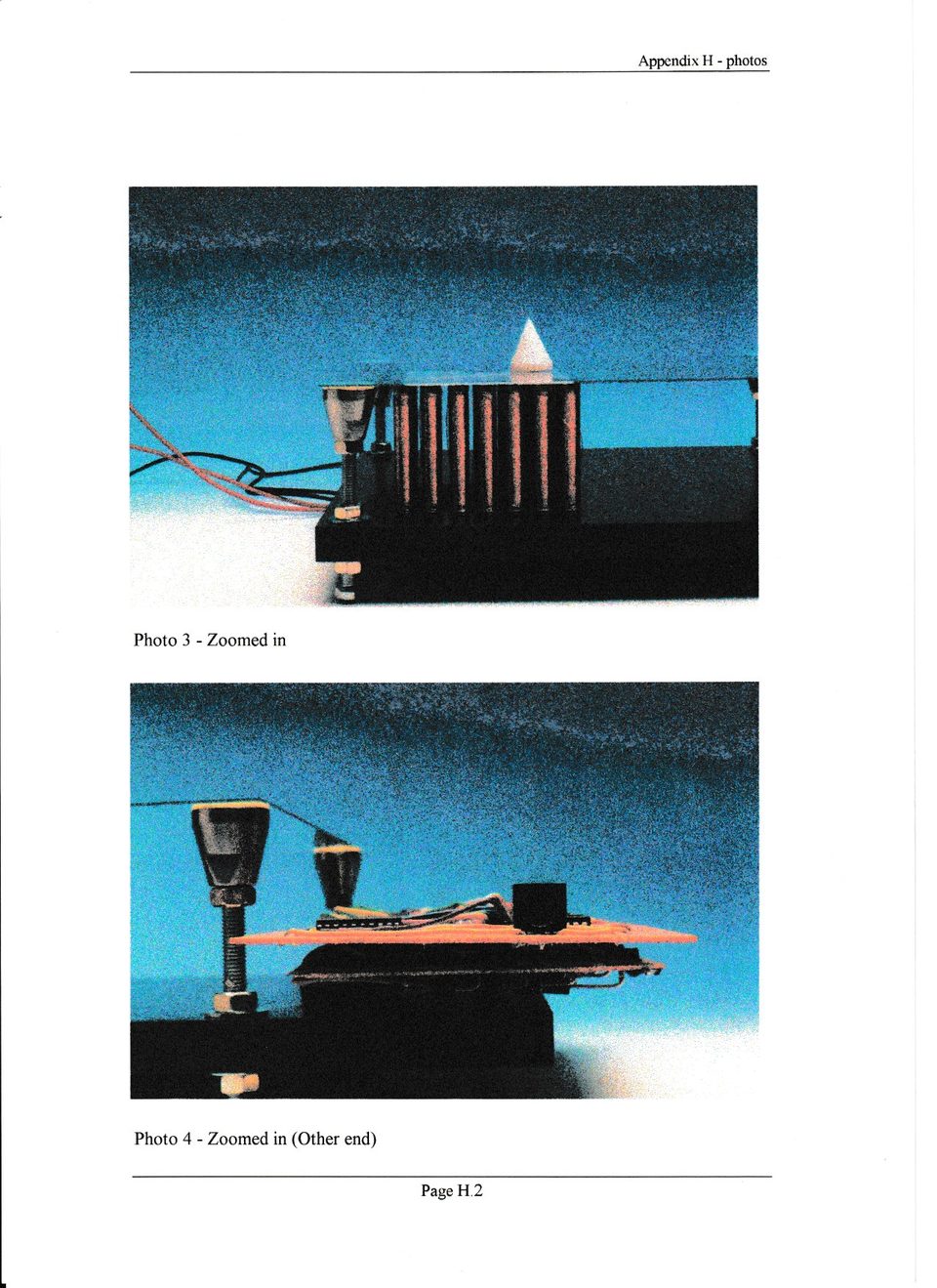
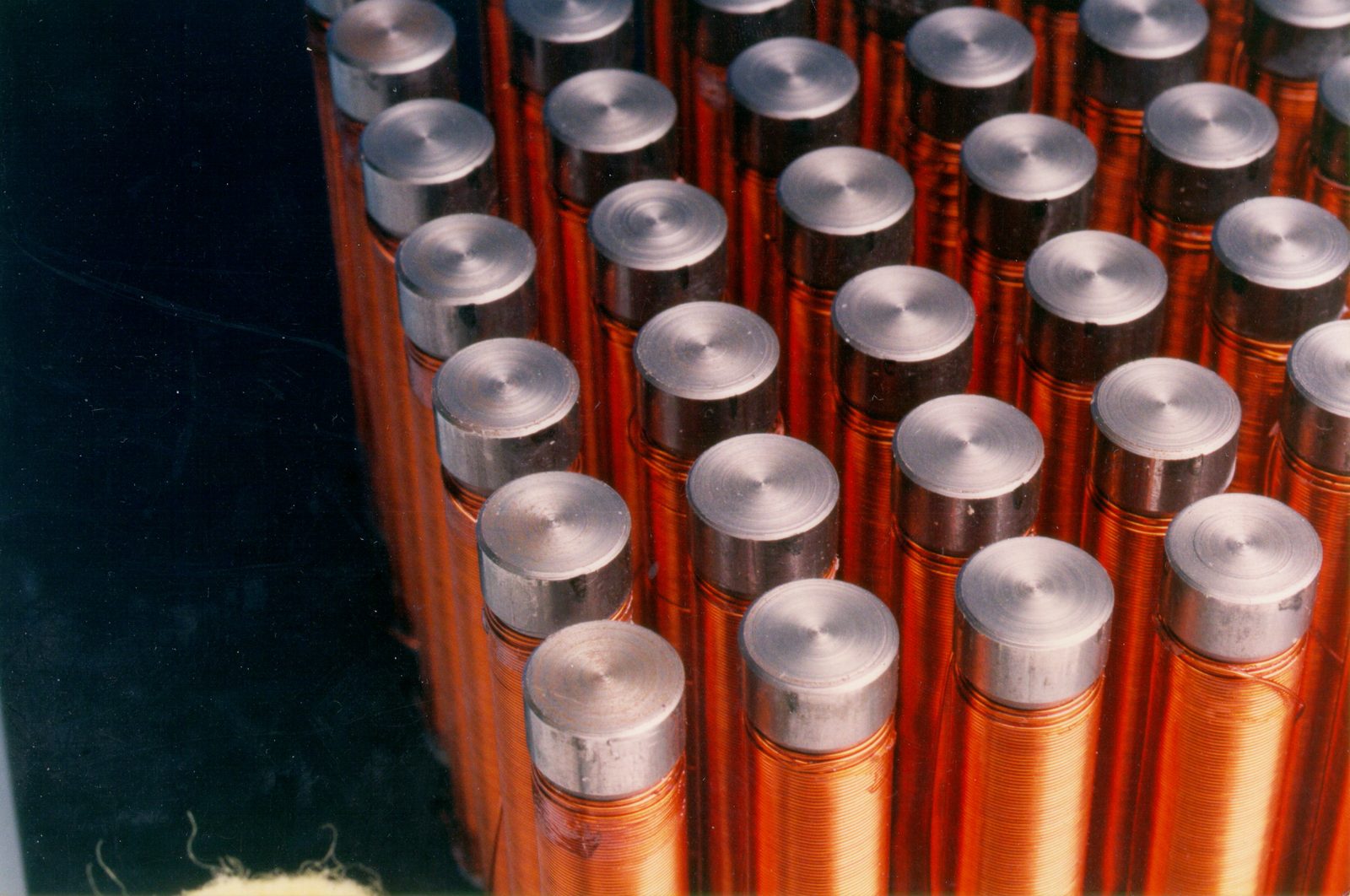
Magnet array below the surface
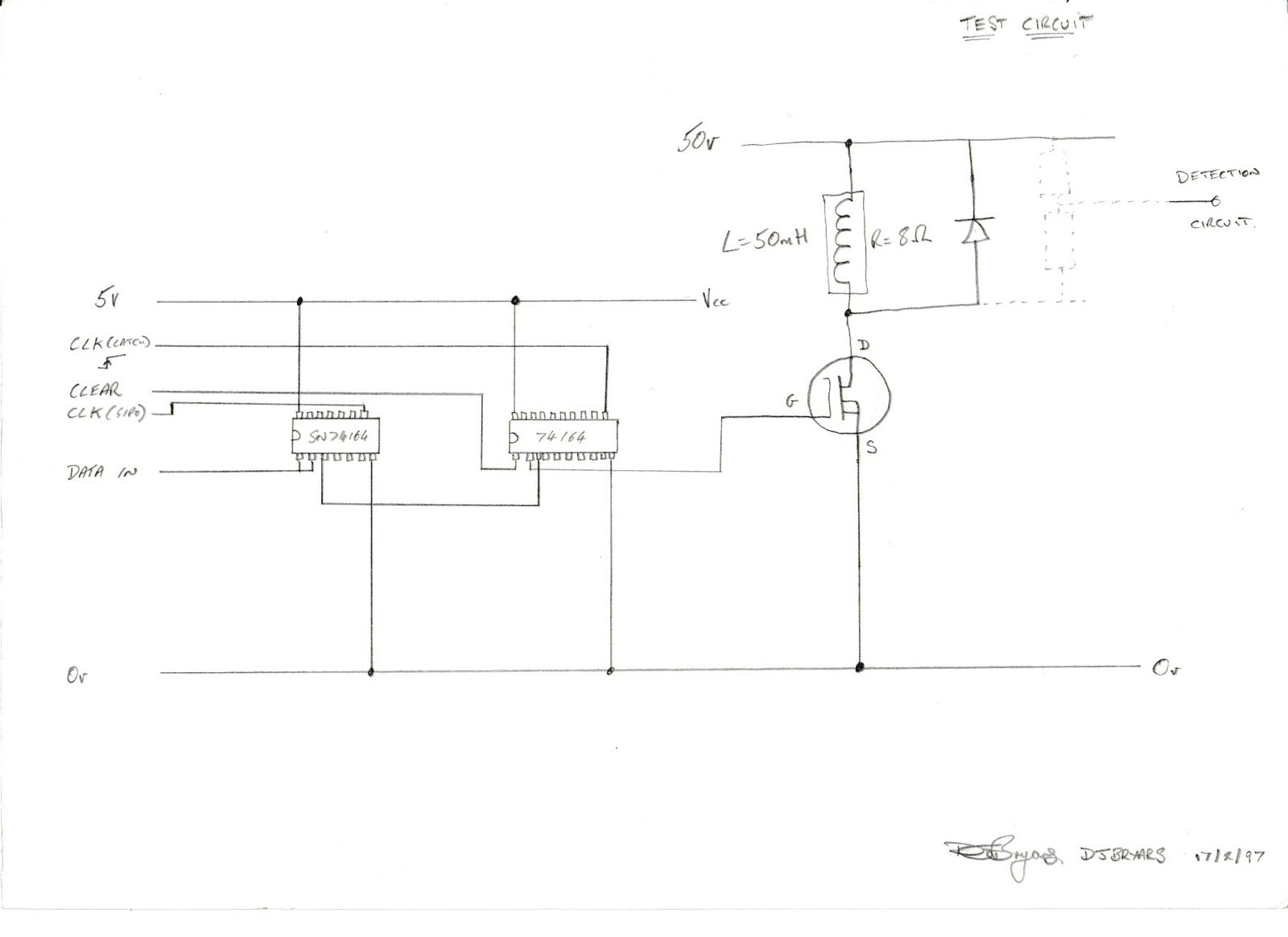
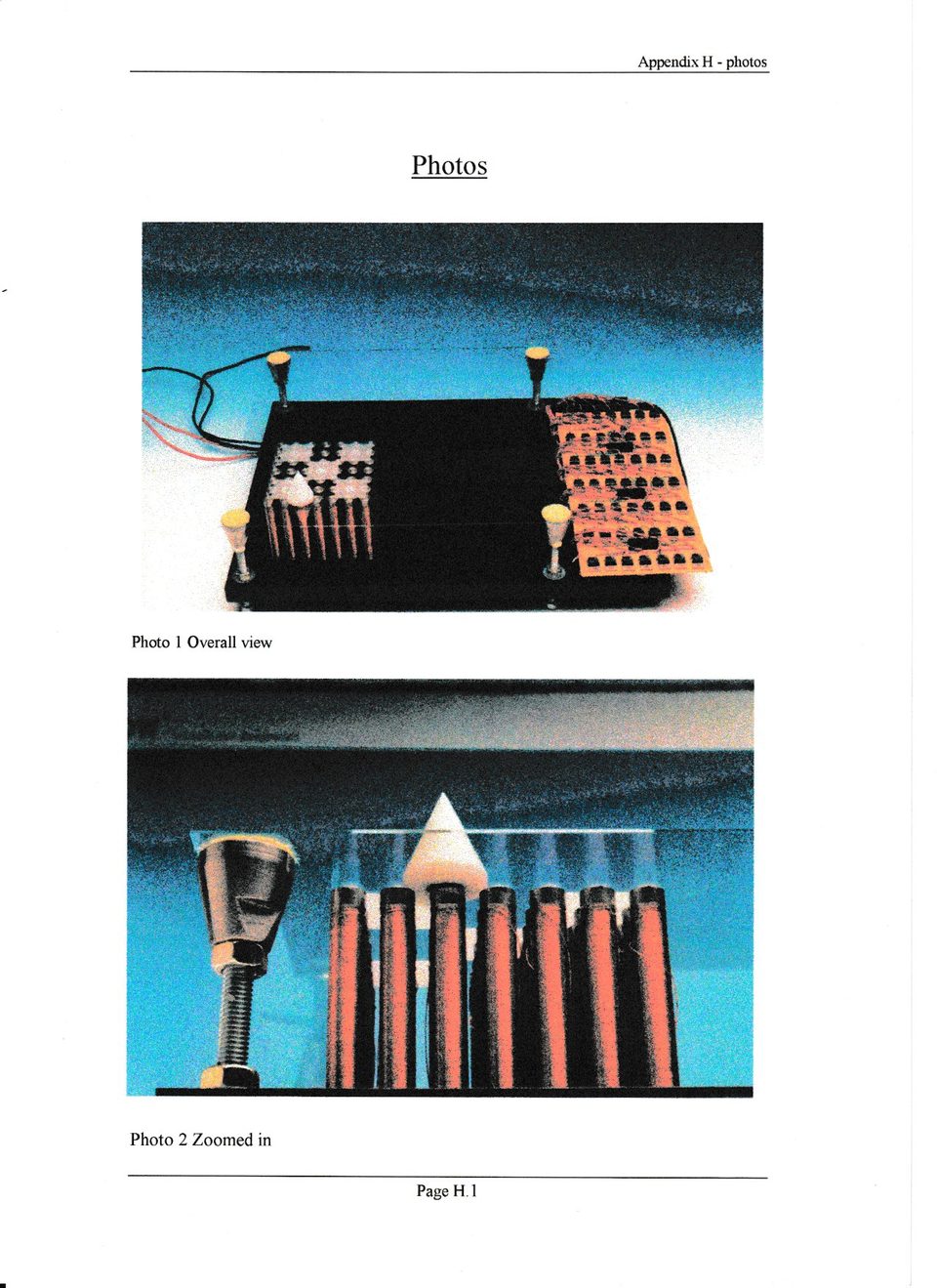
Underneath: coils, wiring and enough current to make the switching circuit explosive.
Mechatronics / electromagnets / 1997
Final-year Mechatronics project at Leeds. A chess board that moved pieces itself, using an array of hand-wound electromagnets under the playing surface.
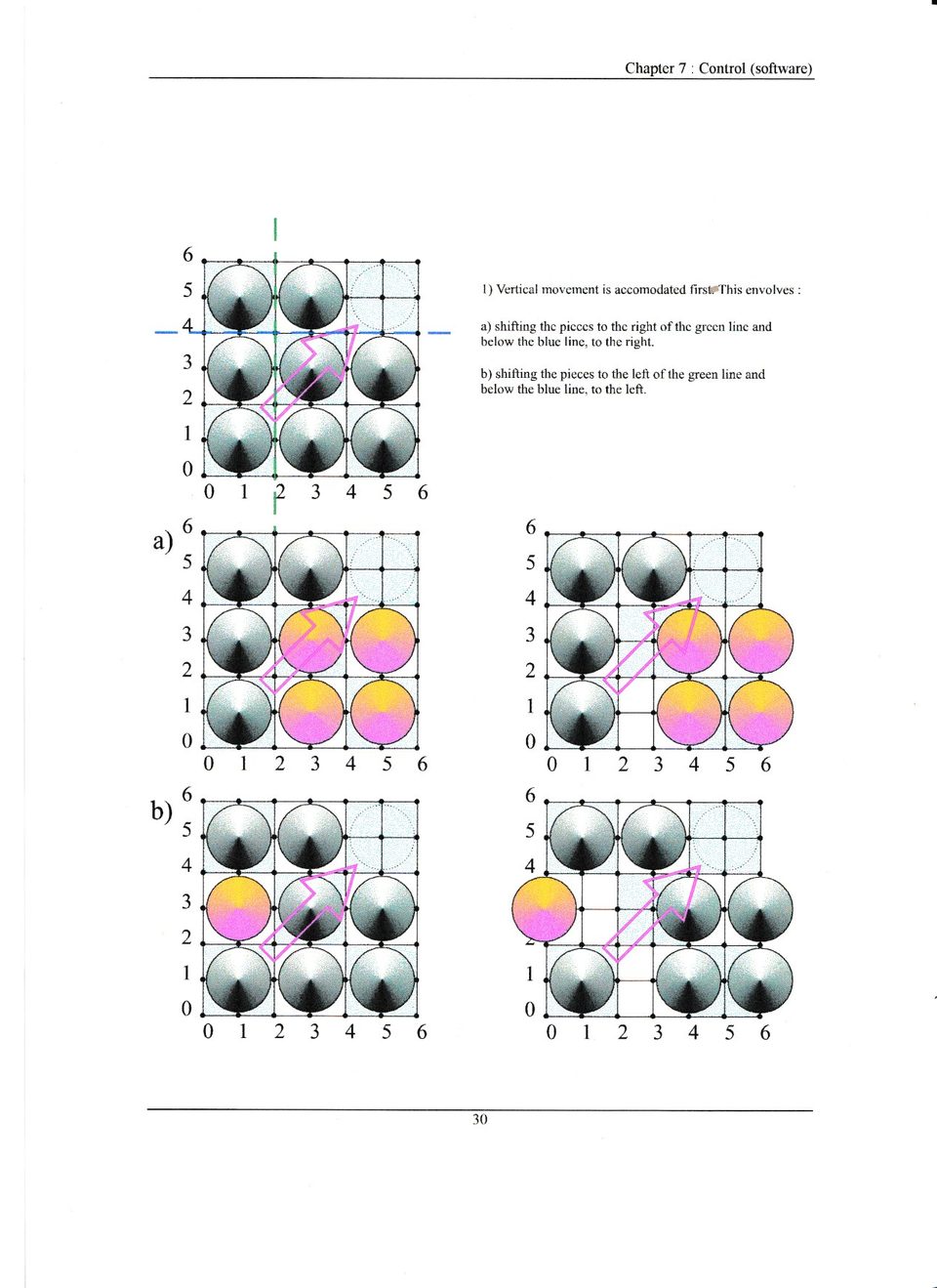
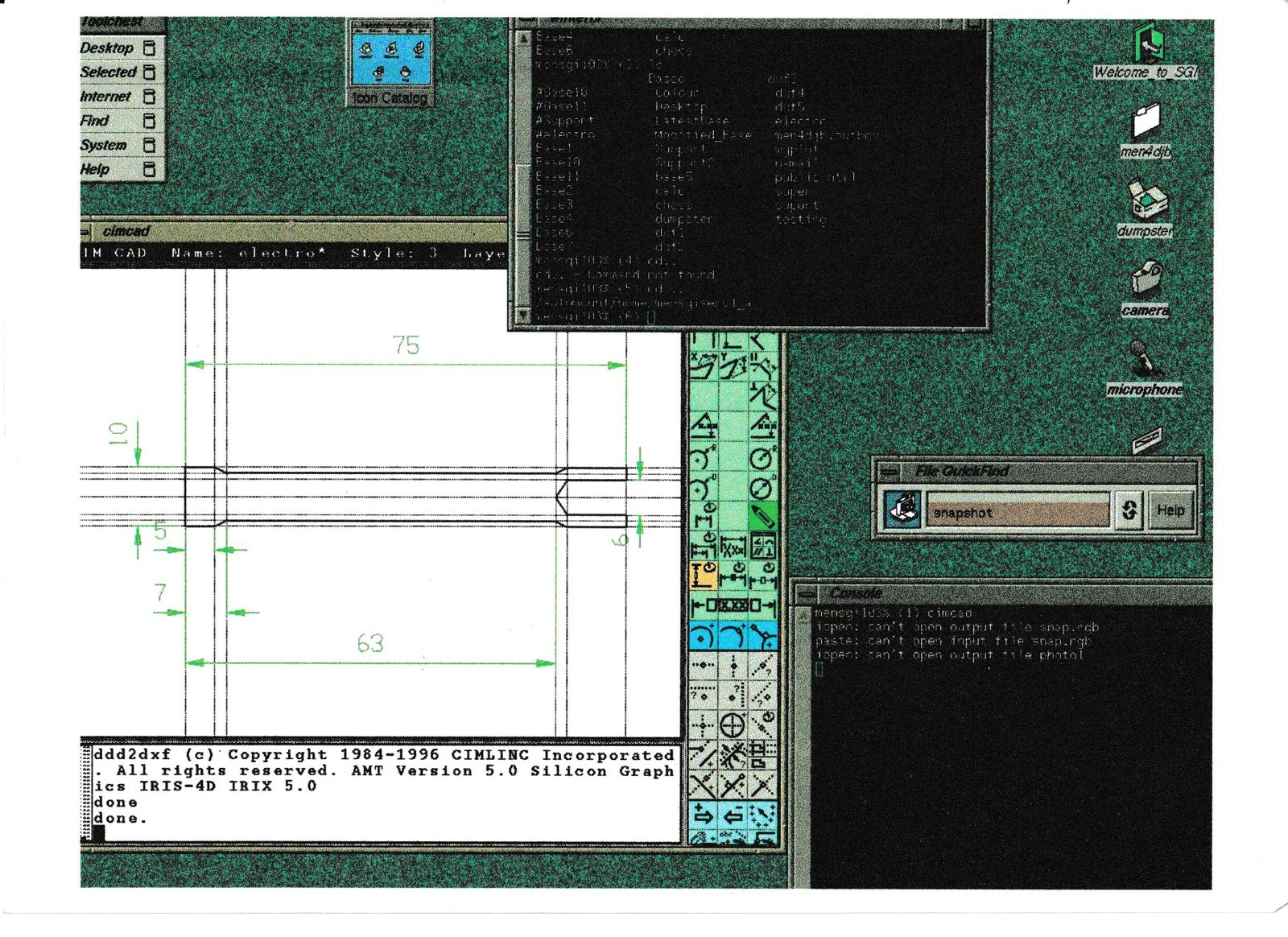
The scans here are from the final report. Old paper, old CAD, proper 1990s desktop screenshots.
Move chess pieces without a visible mechanism on top of the board. The report breaks the problem into control software, the movement sequence, coil drivers and the physical board.
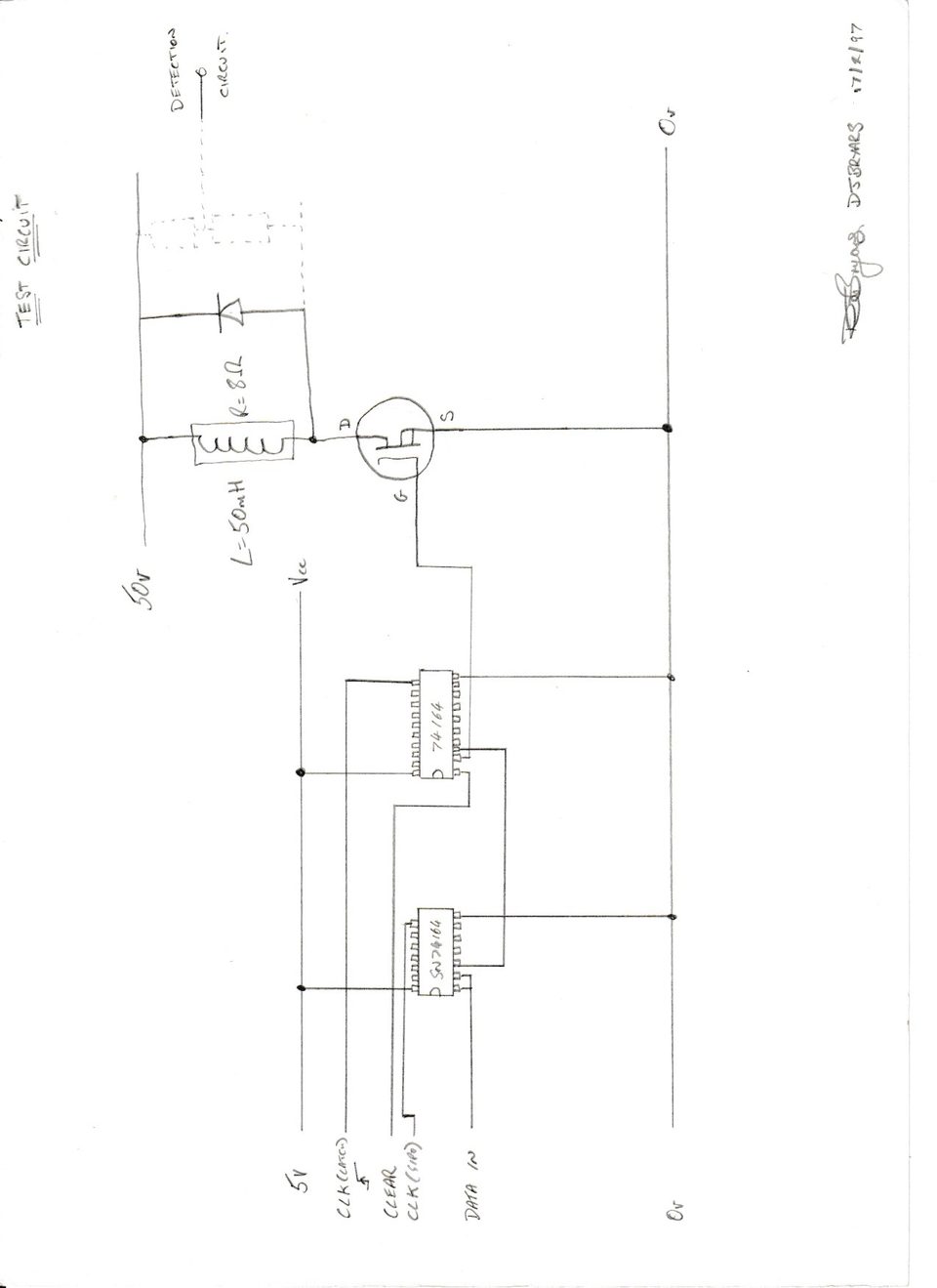
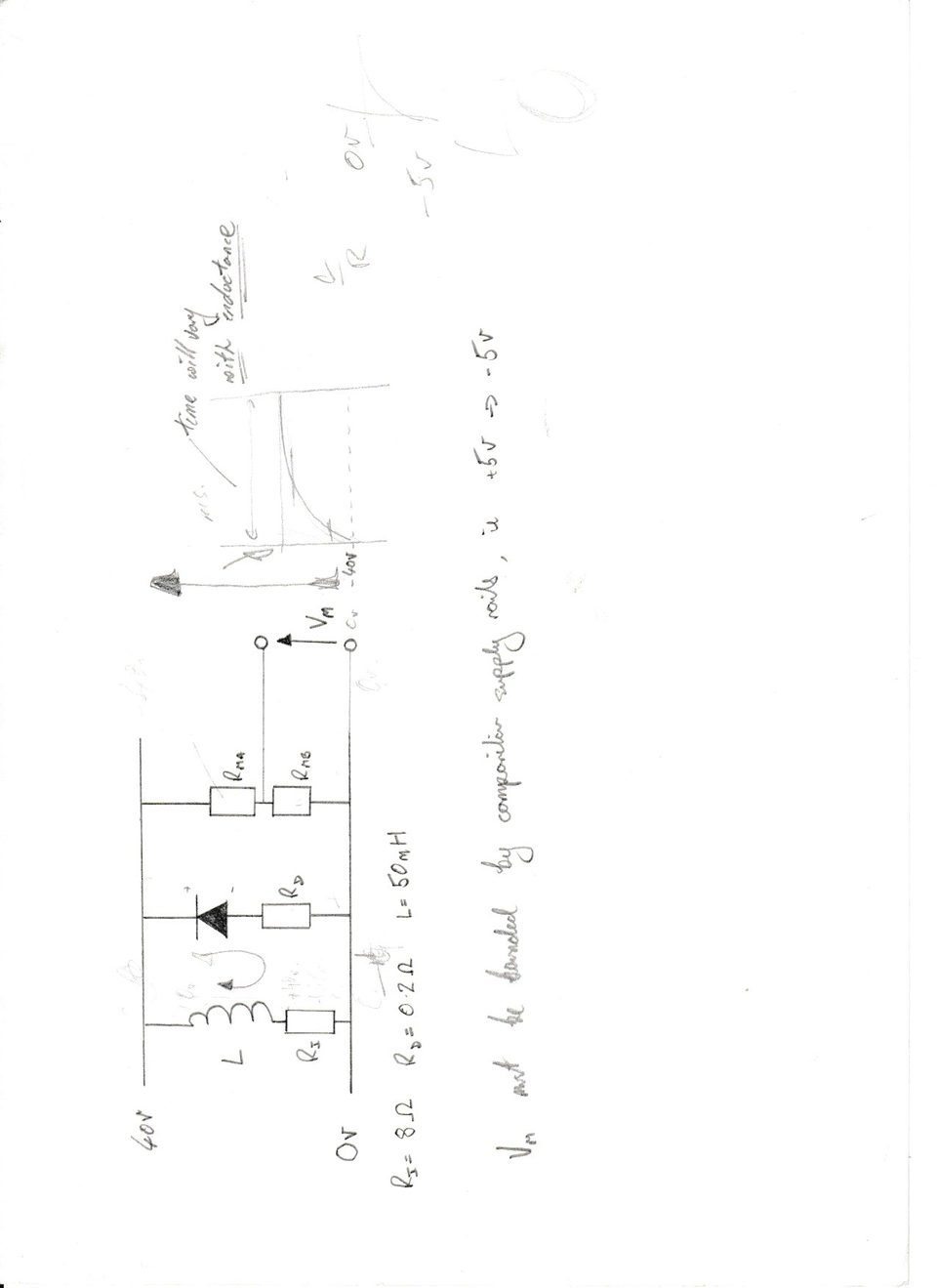
It's awesome, and those coils store a lot of energy, if you don't have the flyback diode the MOSFET explodes on switch off.
Report appendix
The report photos show the board, the electronics board and the row of magnets under the playing surface. Not high-resolution, but enough to remember how much copper was involved.
The board
Underneath: coils, wiring and enough current to make the switching circuit explosive.
The parts
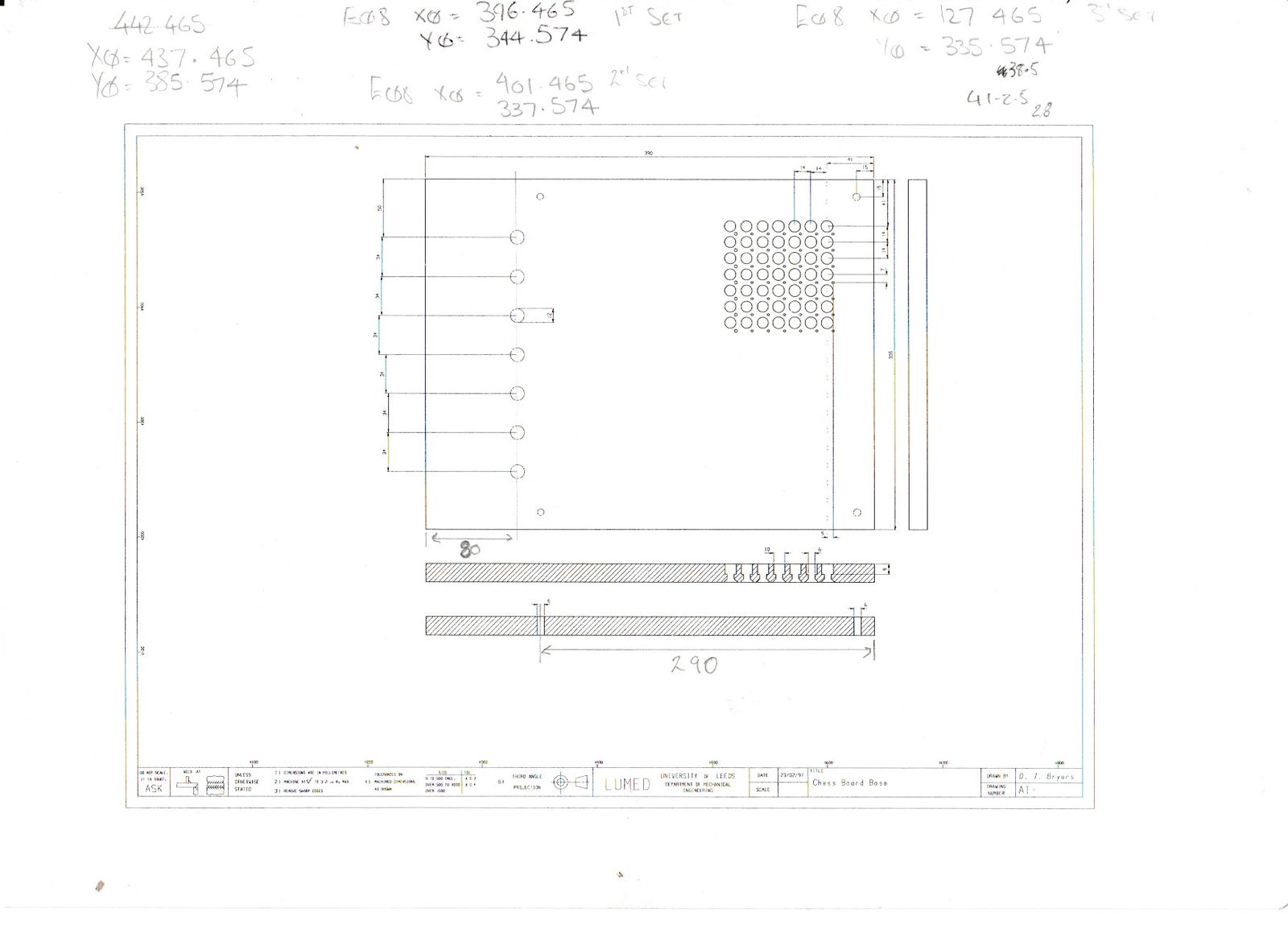
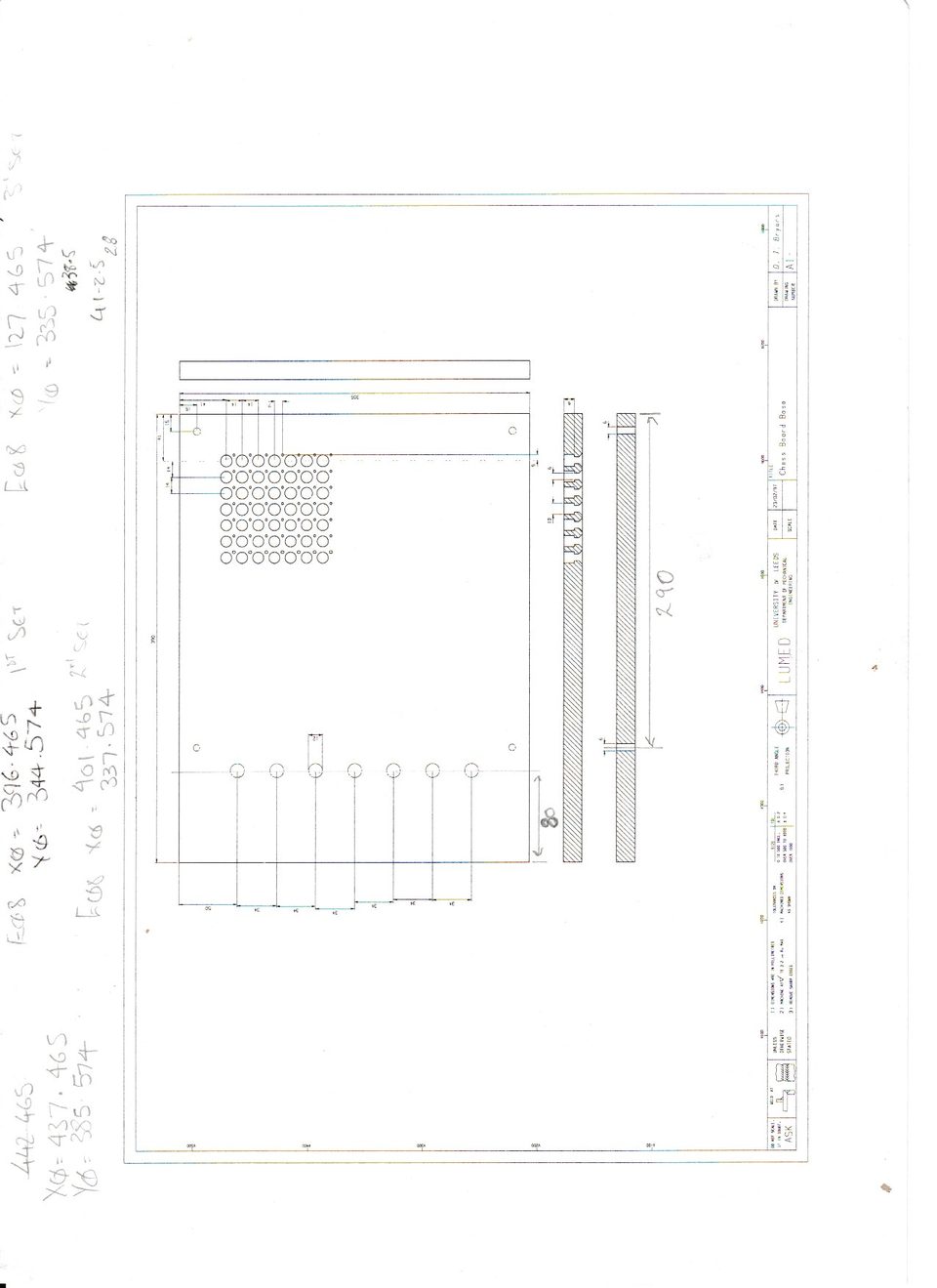
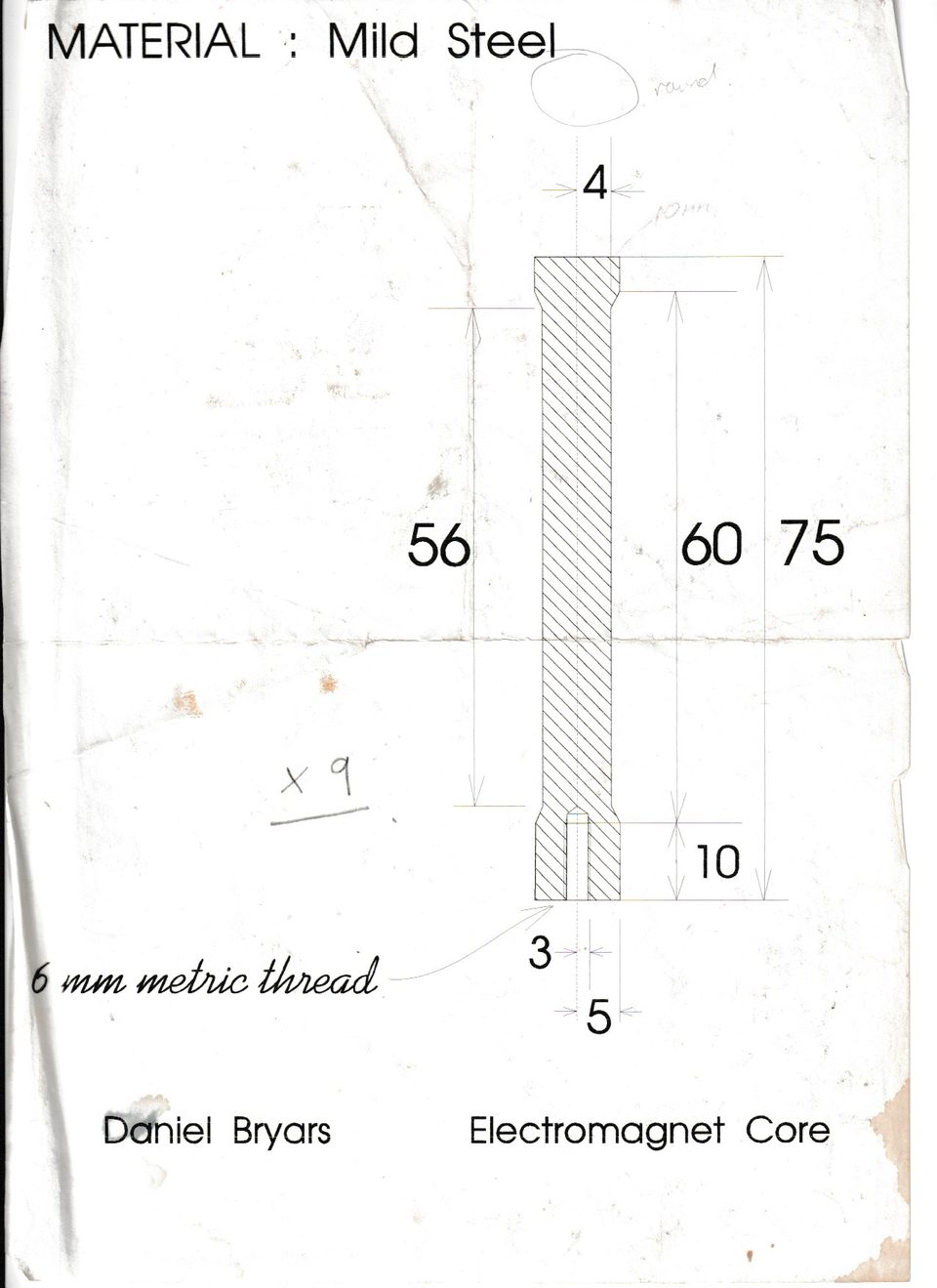
Base plate, core dimensions, hole positions.
The control
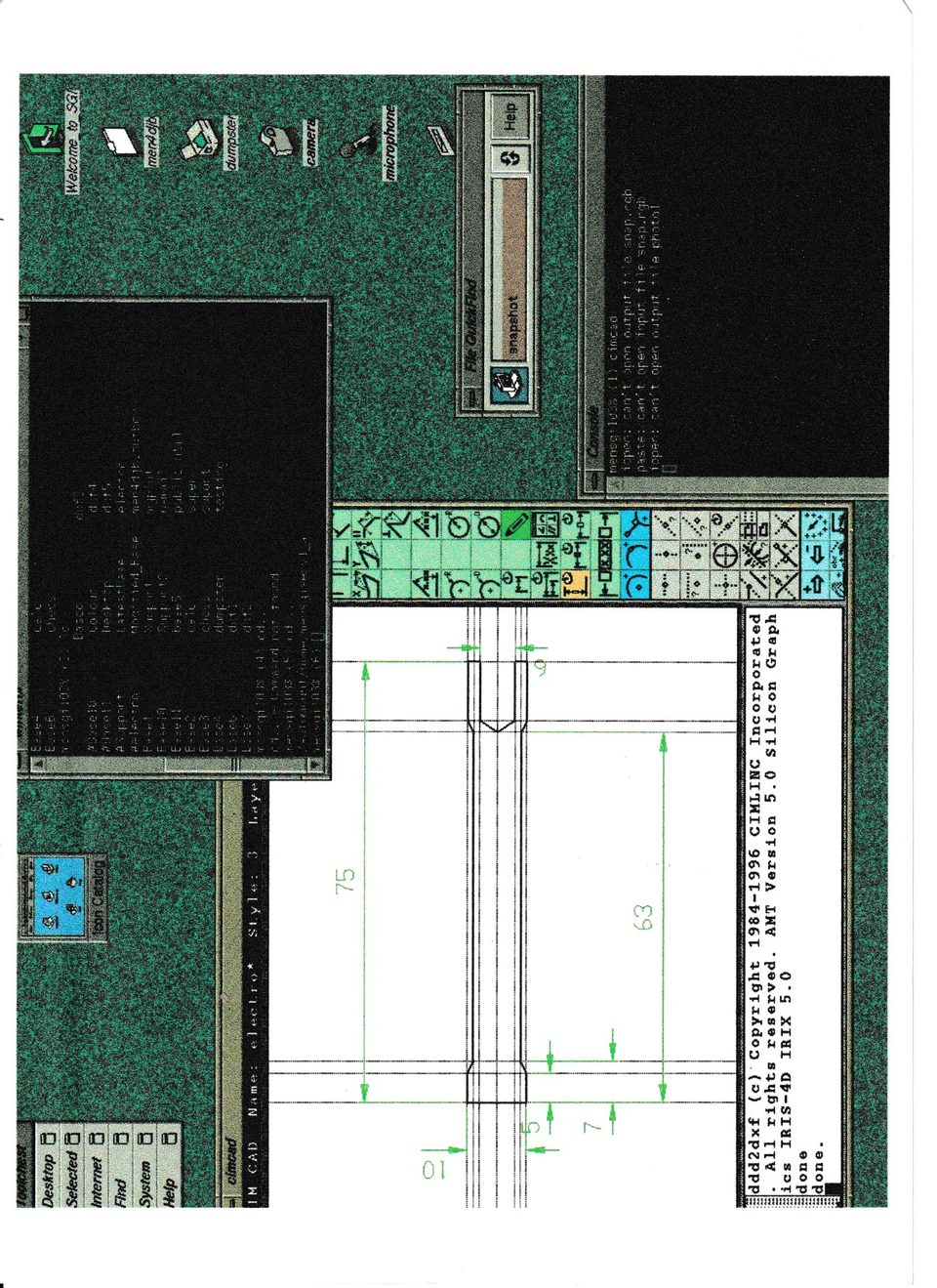
Report includes CAD screenshots (from CIMCAD) and movement diagrams. All very 1997.